


Concussion Rehab for All
Concussion Rehab for All
Concussion Rehab?!
The science of recovery
There is rehab after a sprained ankle or a stroke...
Why treat concussions differently?
What is a concussion?
Concussions (mild traumatic brain injury) aren't always from direct head impacts—any rapid head movement can cause one. They can make daily life extremely difficult.
Because concussions don't show up on CT scans, they're often dismissed — by clinicians, employers, even family. But the symptoms are real, and can be severe: headaches, dizziness, fatigue, brain fog, sleep disruption, sensitivity to light and noise. You don't need to lose consciousness. Symptoms can appear immediately or up to 48 hours later.
~1,300,000
UK concussions
70%
symptomatic
1 in 4
depressed
1 in 6
out of work
Good news: Concussions are highly treatable
They're mostly functional problems, not structural — which means the right rehabilitation pathway can make a profound difference.
Phase 1: Pause (First 48 Hours):
Avoid stressful or stimulating activities — at home, at work, or in sport. This is where most patients are left.
Phase 2: Assess
A structured evaluation identifies which systems are affected and to what degree. Concussion is not one-size fits all:
- Aerobic — autonomic nervous system dysregulation affecting heart rate, breathing, blood pressure and fatigue tolerance
- Balance — vestibular and oculomotor dysfunction causing dizziness and unsteadiness
- Neck — whiplash-related headaches, tightness and soreness
- Recovery — cognitive and physical load, pacing and symptom patterns
Phase 3: Rehabilitate
Exercises personalised to the findings of your Phase 2 assessment, progressing as your tolerance builds — alongside a graduated return to normal life, work, and sport. Early multimodal rehabilitation has been shown to reduce symptoms and accelerate recovery.
But phases 2 and 3 are out of reach for most
Worldwide, the standard of care ends at Phase 1. Phases 2 and 3 require specialist knowledge that most clinicians — including most emergency doctors and GPs — are simply not trained in.
In the UK, a small number of specialist centres offer structured concussion rehabilitation, but capacity is extremely limited. For the vast majority of patients, phases 2 and 3 mean going private — if they're accessed at all.
Private specialist concussion clinic typically costs £150–£400 for an initial consultation; including rehabilitation, this runs to £1,000-£2,000 or more. The picture is similar internationally.
Heady
Heady digitises multimodal concussion rehabilitation — personalised, guided, and available from home from the day of diagnosis*.
No appointment, no referral, no commute.
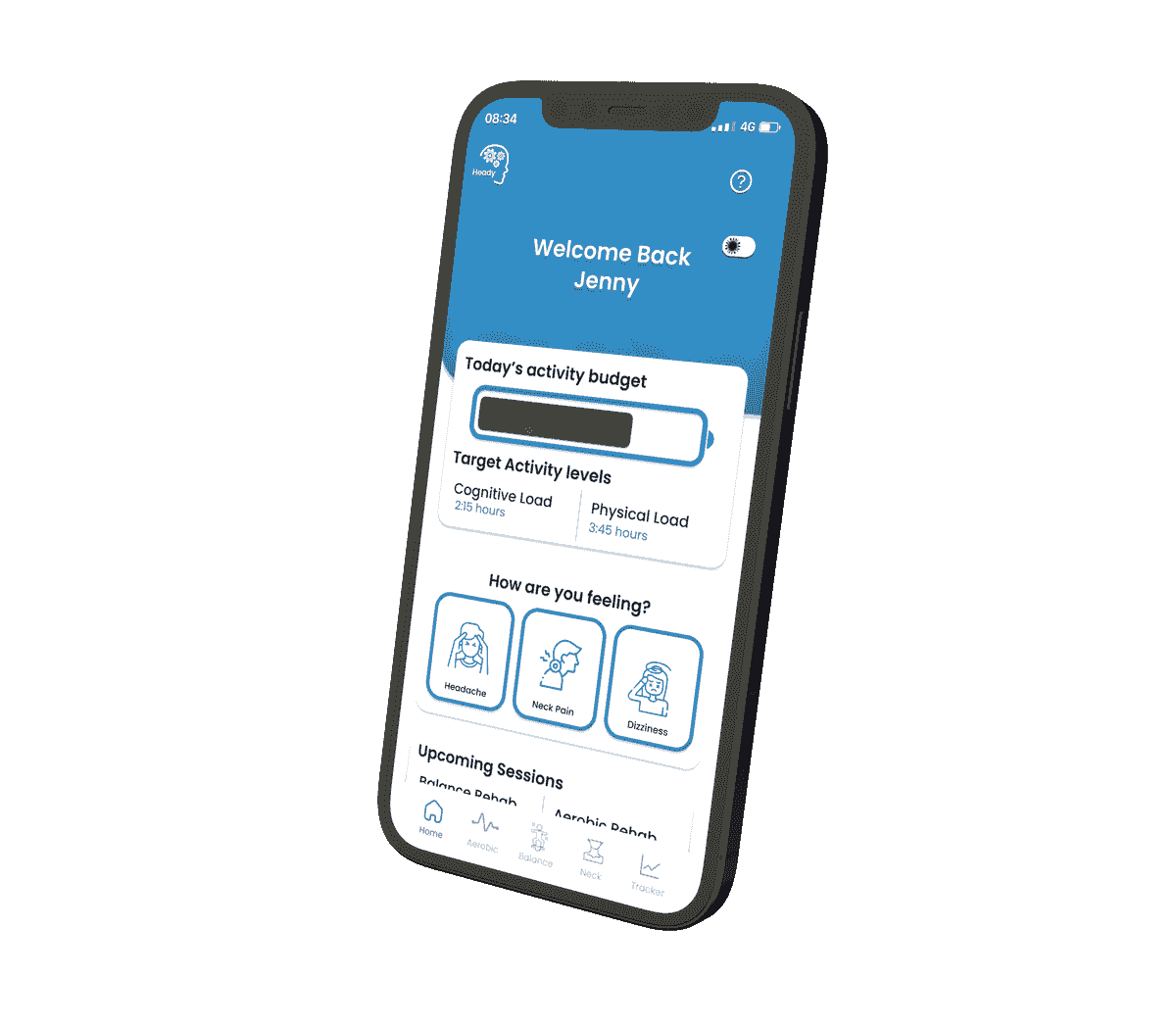

Heady — Concussion Rehab for All
© 2023–2026 All rights reserved.
Heady (trading name of Heady Rehab Ltd, #14625185).
Registered office address: 167-169 Great Portland Street, London, England.